Who this is for
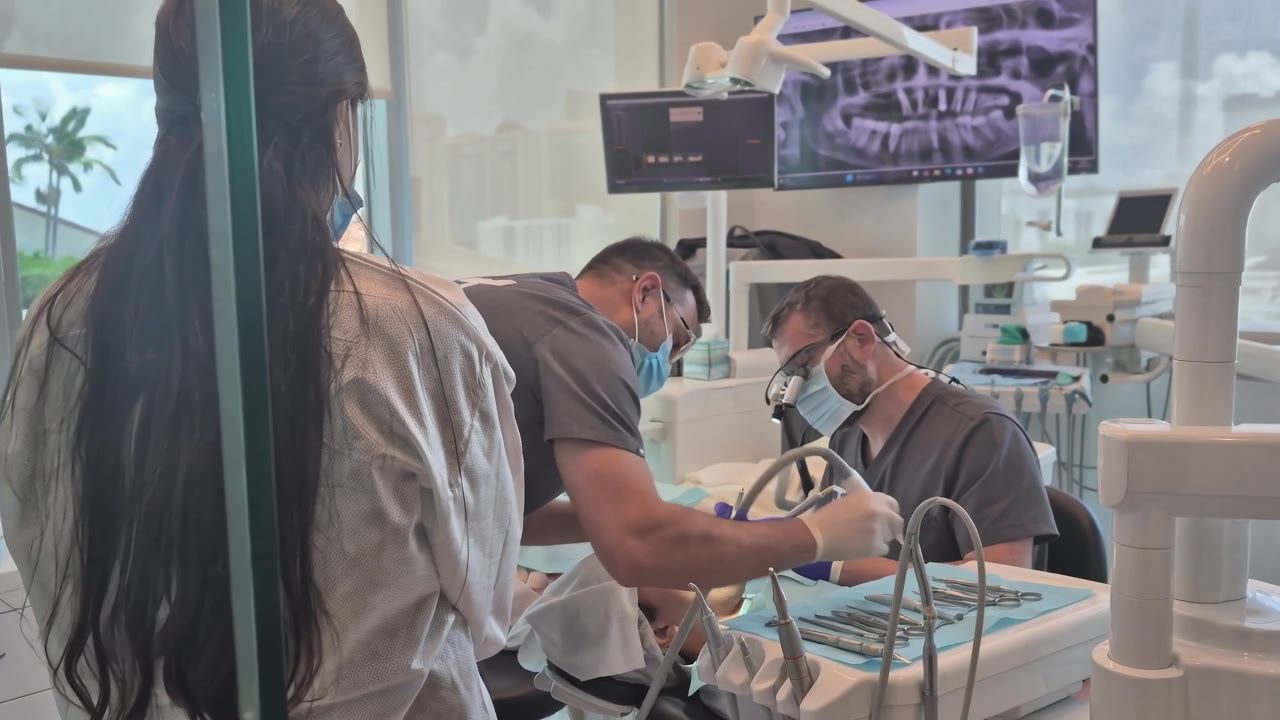
- Your gums bleed when you brush, your dentist has measured deep pockets, or an X-ray shows bone loss.
- You have been told you need a deep cleaning and want to know why a regular cleaning is not enough.
- You smoke, have diabetes, are pregnant or take blood thinners and want treatment planned around that rather than refused.
What we do at our office
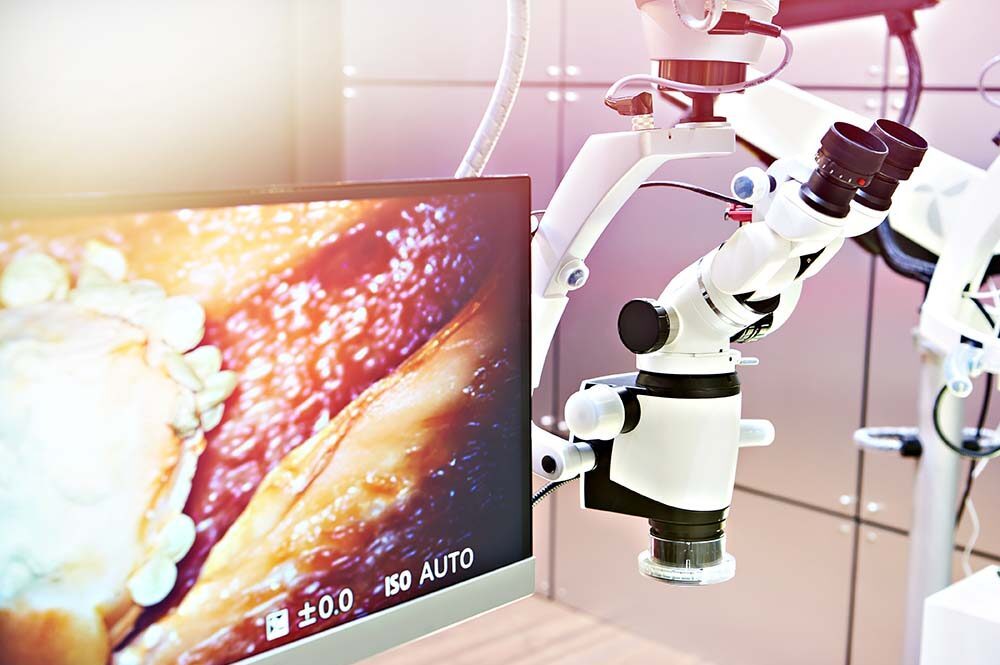
Dr. Baruch Tetri, DDS, is a periodontist (a dentist who specializes in the gums and the bone that hold teeth). He earned his DDS at NYU College of Dentistry in 2006, completed his Certificate in Periodontics in 2009, and is a Diplomate of the American Board of Periodontology. He makes the diagnosis and plans the treatment; the scaling is done by Dr. Tetri or by our registered dental hygienist under his supervision.
A regular cleaning removes deposits above the gum. Scaling and root planing works below it, on the root surfaces inside the pockets, usually under local anesthesia.
What happens at the visit
- Diagnosis. We measure the pocket depth around every tooth, note bleeding, loose teeth and recession (gums pulling back), and take the X-rays needed to see bone levels. We grade gum disease by how much bone has been lost and how fast it is going.
- Preparing to heal. We go through your home cleaning, offer help with stopping smoking if you want it, and coordinate with your physician on diabetes or blood thinners where needed.
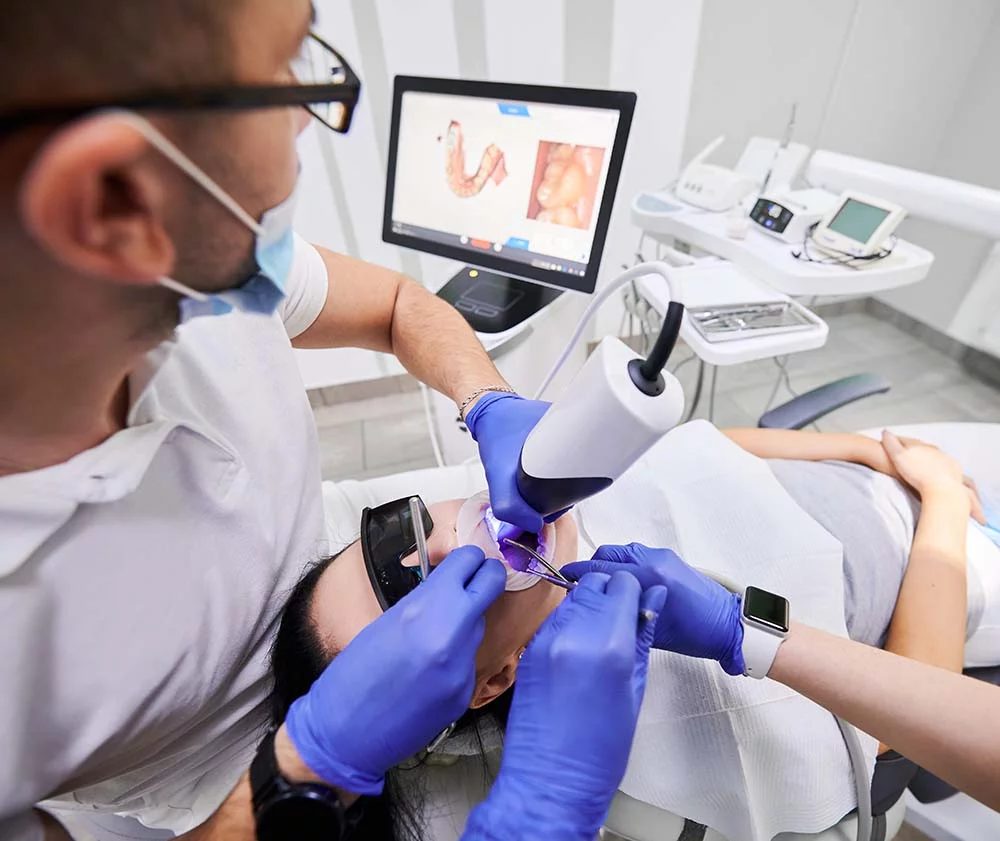
- Scaling. Hand instruments and an ultrasonic scaler (a fine vibrating tip with a water spray) remove the deposits from the root surfaces.
- Afterward. Expect tender gums for a few days and some sensitivity to cold as the gums tighten. Teeth can look slightly longer as the swelling goes down. Over-the-counter pain relief is usually enough.
- Re-evaluation. About six to eight weeks later we measure again. Sites that have healed go to maintenance; sites that have not are treated again, or we discuss surgery.
- Maintenance. Periodontitis comes back without upkeep. Most patients return every three to six months for periodontal maintenance, which is not the same as a regular cleaning.
Risks and limits
- Tender gums, bleeding, root sensitivity and the appearance of recession as the inflammation resolves are expected.
- Treatment controls the disease; it does not regrow lost bone or reattach gum that has gone, and a tooth with little bone left can still be lost.
- If you smoke or have diabetes we still treat you; we just plan more carefully, because healing is slower.
- Do not stop aspirin, warfarin, clopidogrel or another blood thinner on your own. Bleeding is usually managed in the chair; any change to your medicine comes from the doctor who prescribed it.
- Antibiotics before treatment are needed only by a small group at highest risk from heart-valve infection, not for artificial joints; bring your medical history and we check.
Questions patients ask
Does it hurt?
With local anesthesia the treatment itself is usually comfortable; the days after are tender rather than painful. Tell us if a site hurts and we add more anesthetic.
Is it safe during pregnancy?
Yes. Gum treatment, including local anesthesia, is recognized as safe in pregnancy, and untreated gum disease is the greater risk. We do not claim it prevents pregnancy complications.
Do I need antibiotics, mouthwash or a laser as well?
Usually not. Instruments on the root are the treatment; antibiotics, antiseptic rinses and lasers help in selected cases, and we say when yours is one.
What if the pockets do not close?
Some deep or hard-to-reach sites need surgery to clean the root under direct vision, and in selected defects regenerative surgery (procedures that rebuild some lost bone). As a periodontist, Dr. Tetri does these.
Sources
- EFP S3 guideline: Treatment of stage I–III periodontitis (2020)
- AAP/EFP framework: Staging and grading periodontitis (2018)
- ADA guideline: Nonsurgical treatment of periodontitis
- Cochrane review: Full-mouth versus conventional treatment schedules (2022)
- ADA: Antibiotic prophylaxis prior to dental procedures
- ADA: Pregnancy and dental care
Request a visit
Tetri’s Smile · 16690 Collins Avenue, Suite 701, Sunny Isles Beach, FL 33160