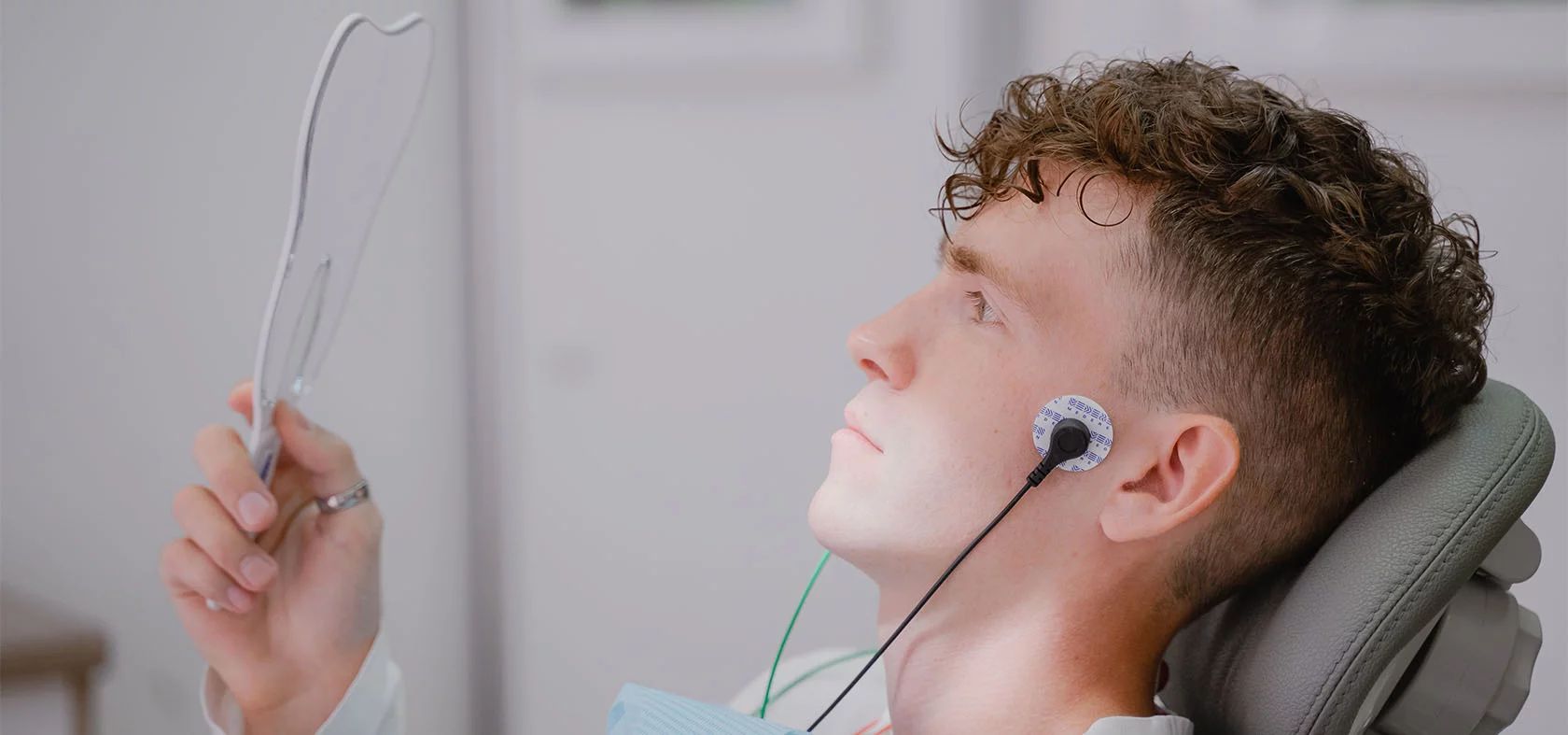
Will it hurt while the implant is placed?
The area is numbed before we begin. Local anesthetic blocks the nerve signals within a few minutes of the injection and lasts a couple of hours or more, so most patients feel pressure, vibration and the touch of instruments rather than pain. If you feel more than that, tell us and we pause and add more.
What if I am too anxious to sit through it?
Tell us. Anxiety is a medical fact we plan around. Options range from a first visit that is only a conversation to sedation (medication that makes you drowsy and relaxed while you keep breathing on your own), offered after a medical review, where our permits and team allow. Sedation is a tool, not a requirement; you can choose local anesthetic alone once you understand the steps. More on sedation at our office.
What happens if I do nothing?
Waiting has a cost; we state it as information, not pressure. The bone that held the tooth shrinks most in the first year after the tooth is lost, because nothing loads it; less bone later can mean a graft (added bone material) before an implant is possible (bone grafting). Neighboring teeth drift into the gap, the opposing tooth moves toward it, and the remaining teeth carry more of the chewing load.
How likely are complications?
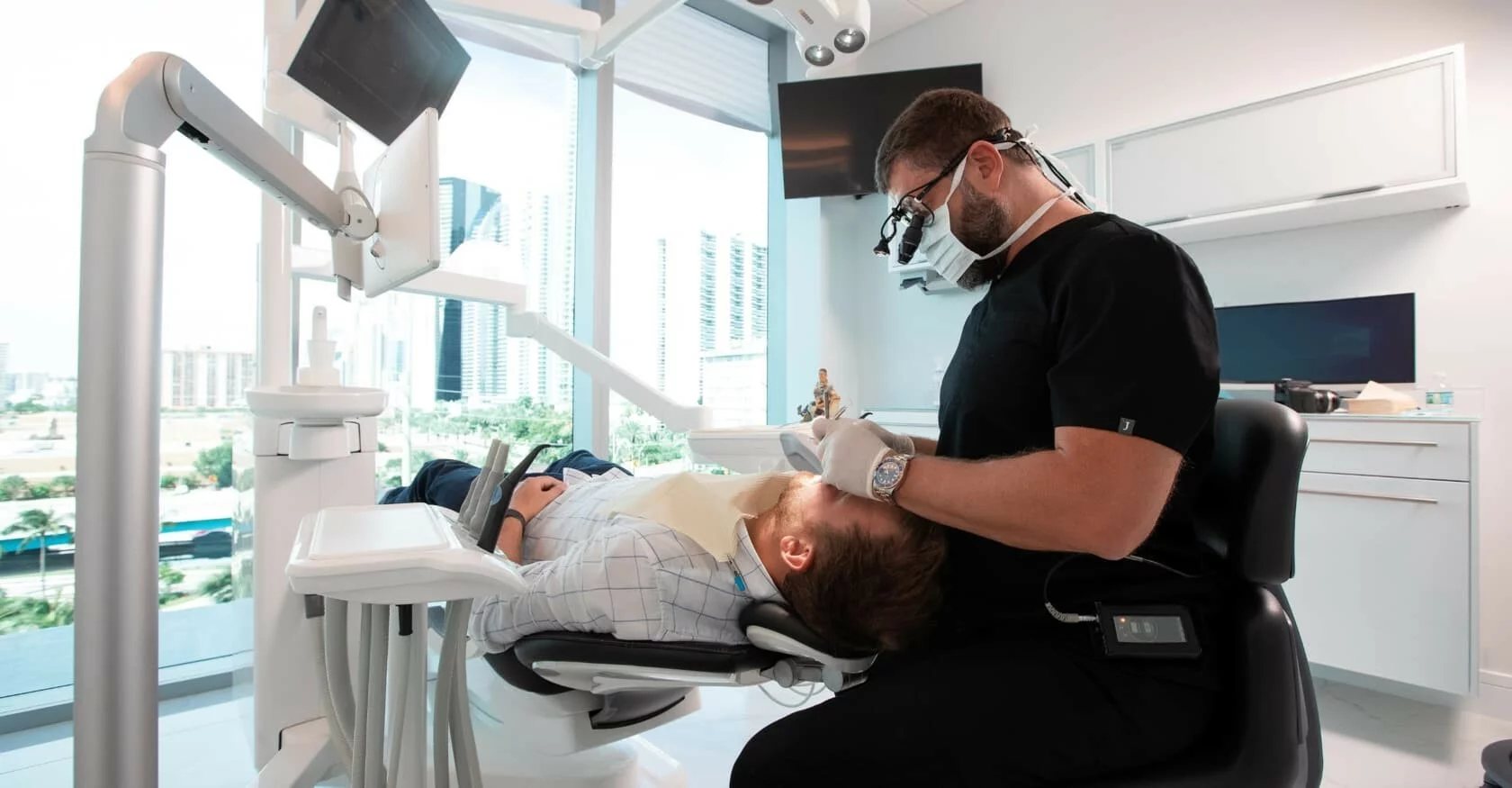
Long-term studies report high implant survival rates, and they also report failures. Risk rises with smoking, uncontrolled diabetes, untreated gum disease, heavy grinding and poor home care, and, on the clinician’s side, with an implant placed in too little bone or in the wrong position. Implants do not “reject” the way transplanted organs do. An early failure, in the first weeks or months, usually means the bone did not fuse to the implant. Later problems are usually peri-implantitis (gum disease around an implant), which can appear years afterward. That is why cleaning visits around implants continue for as long as you have them. Diabetes or a history of gum disease does not by itself rule out an implant: gum disease is treated first, and if you have diabetes, we work with your endocrinologist to bring your blood sugar under consistent control before implant surgery is considered.
How do I choose where to have it done?
Ask questions and compare the answers. Who places the implant, and who makes the tooth on it? Is a three-dimensional scan (CBCT) taken before planning? It is fine to consult more than one office. At ours: a diagnosis before anything irreversible, a CBCT for every implant plan, and for larger cases a digital preview of the planned teeth (smile design).
Can all my teeth be replaced in one day?
For some patients, yes: implants placed and a fixed temporary bridge attached the same day, the approach known as All-on-X (All-on-X at our office). It depends on bone quality, the number and position of implants, and how firmly they hold at placement (what we call primary stability). When the bone does not allow it, you wear a removable temporary while the implants heal.
What happens if something goes wrong?
An implant that does not fuse is removed; the site heals, sometimes with a graft, and a new implant can often be placed later. We do not promise outcomes, and no honest clinician can. What is covered if something needs redoing is decided for your individual case and explained to you once the examination and evaluation are complete, before treatment.
When to call us
If a tooth is loose or lost, or has been missing a while, call; a first visit is a conversation, not a commitment. After implant surgery, call the same day for swelling that grows after the third day, a fever, or bleeding that firm pressure does not stop.
Questions patients ask
Does implant surgery hurt?
The area is numbed first, so most patients describe pressure rather than pain. Soreness for a few days afterward is expected and is managed with medication.
How long does it take from start to finish?
A single implant usually heals for two to four months before the final crown; a graft adds time. Same-day teeth are possible in selected full-arch cases (replacing all the teeth in the upper or lower jaw).