
Why am I afraid of the dentist?
Fear is the brain protecting you from something it has filed under pain. For many people the file was started early: a rough childhood visit, an injection given too little time to work, a story from a friend. The worries we hear most are pain, an anesthetic that fails to work, side effects of the medicines, losing control while lying back with your mouth open, and embarrassment about teeth after years away. Each has a practical answer.
What can I do before the visit?
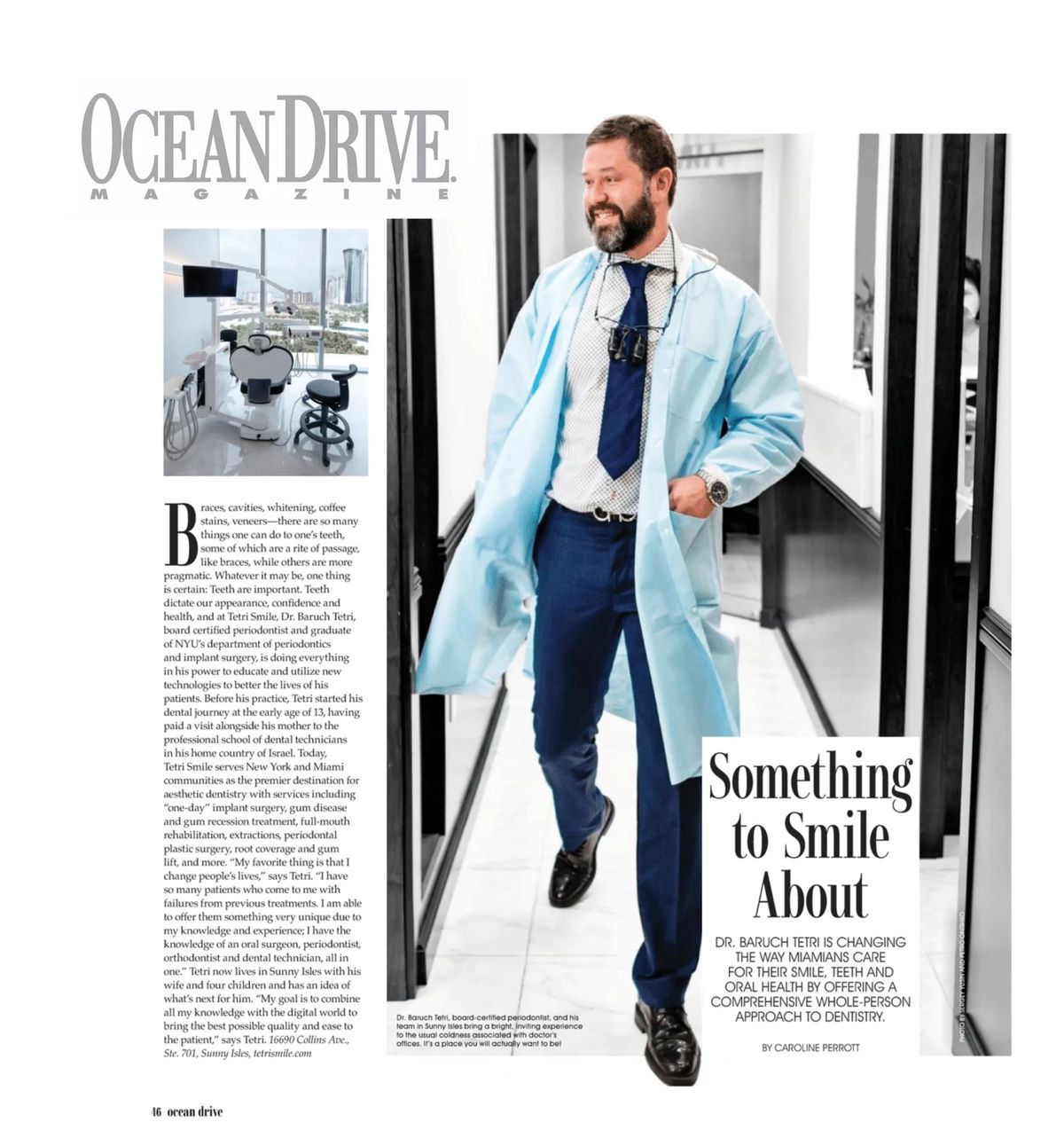
Start with a first visit that is mostly a conversation. A look, a talk and, if you are ready, X-rays. You meet the office, the people and the chair before any treatment, and the second visit is easier because the unknown is gone. How a first visit works describes the sequence.
Tell us. When you book, say that you are anxious. The front desk notes it, and we plan the time for it.
Bring music, or a friend. Your own headphones in the chair or a friend in the waiting room helps many people.
Ask before you take anything. Any medication before a visit is prescribed after a medical review, where our permits and team allow, with instructions on dose, timing and getting home safely. Tranquilizers from a home cabinet can interact with the medicines we use.
What do you do on your side?
You can stop us. We agree on a signal before we start, and when you give it, we pause at the first safe moment. Knowing you can stop is often enough.
We tell you each step first. What the instrument is, what you will feel, how long it will last.
Numbing takes time, and we give it time. Local anesthesia (numbing medicine placed next to the tooth) works when it is given time.
Sedation, when it fits. Sedation is medication that makes you calm and drowsy. How deep it goes is planned for you and monitored throughout, and local anesthesia still numbs the tooth. It can be discussed after a medical review, where our permits and team allow. See sedation at our office.
We break it up. Long treatment can be split into shorter visits, in the order your plan needs.
What if I have avoided the dentist for years?
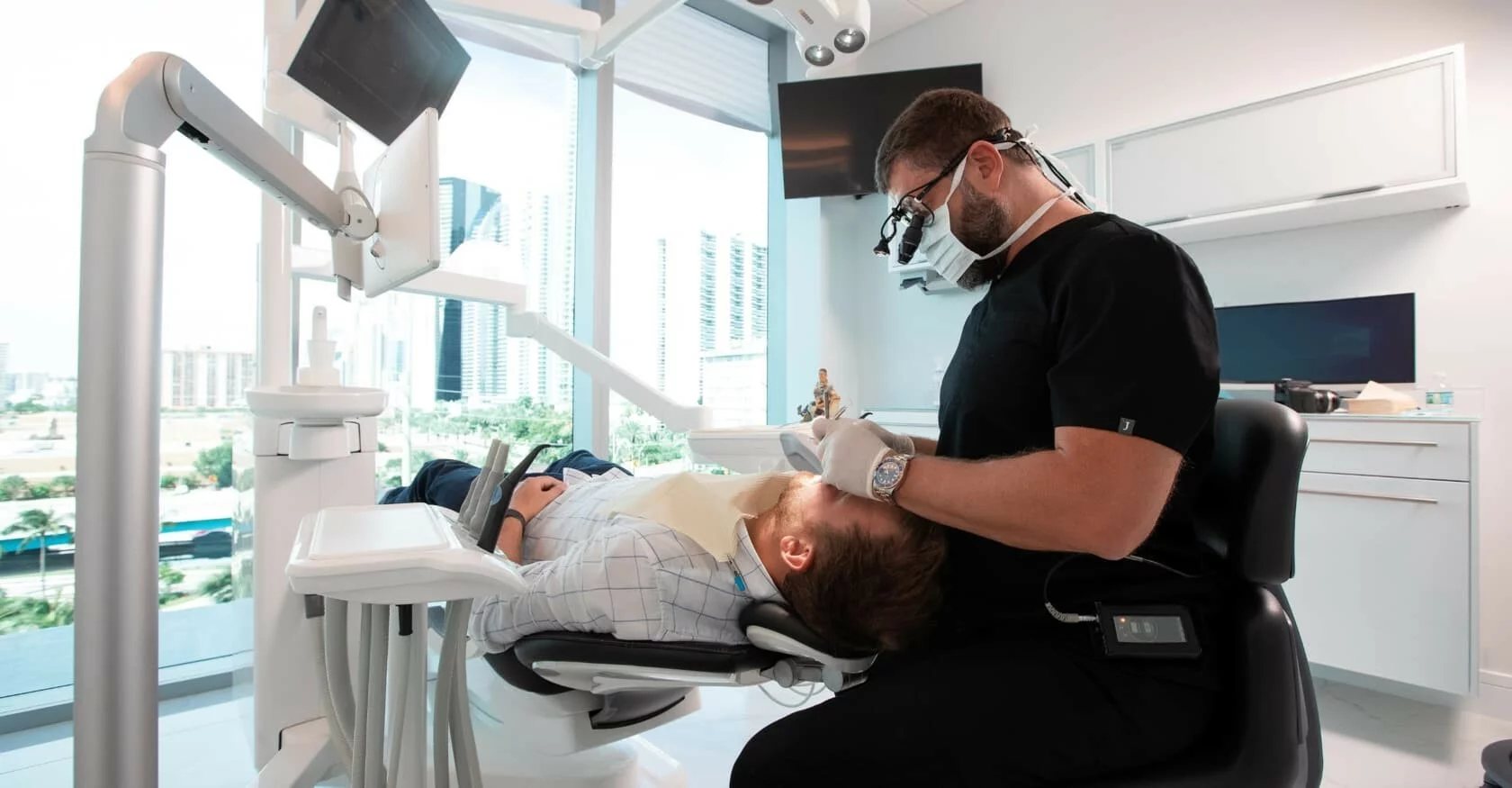
Come anyway. Many people come back after ten or twenty years away, and the first visit is still a calm look and a conversation, with a plan at the end. Broken, dark or missing teeth can be rebuilt, bleeding gums can be treated, and a plan can be sequenced over months. What makes a mouth harder to treat is another year of waiting.
How do I keep the fear from coming back?
Regular, uneventful visits help keep it away; each one rewrites the file. Check-ups at the interval we set for you, often every six months and more often after gum disease, mean problems are found while they are small.
Questions patients ask
Will the injection hurt?
Usually a pinch. The gel numbs the surface first, and a slow injection is the part that matters.
Can I be fully asleep?
General anesthesia, where you are unconscious, is a separate level with its own permit and team, and dental work rarely needs it. After a medical review we will tell you which level fits your case and what our permits allow.
When to call us
Call 786-320-5445 if fear has kept you away and something now hurts, bleeds or is swollen. Tell the front desk you are anxious; we take it from there.